Sudden changes in feeding or inadequate food can also disrupt a cat s digestive function.
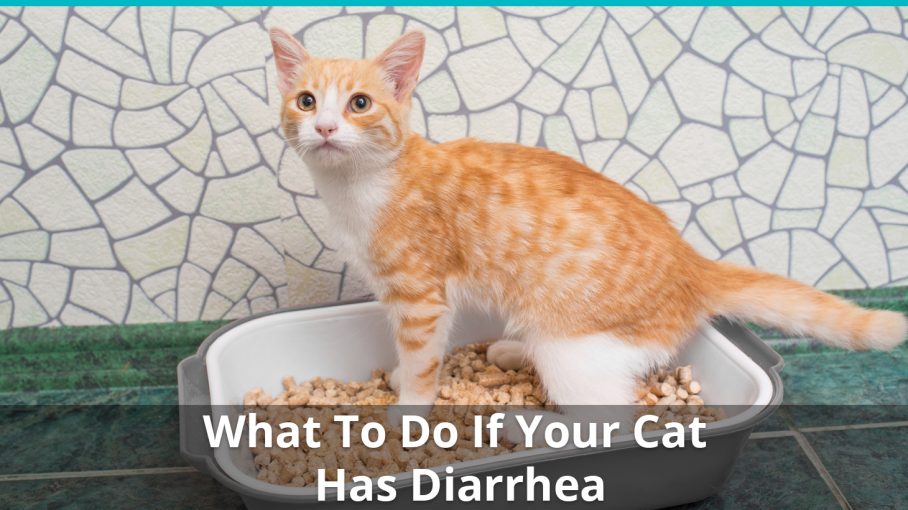
Loose stool cat diarrhea in litter box.
It is important to remember that some variation in the consistency of stools occurs in normal cats.
The stool often appears hard and small and may have blood on the outside.
For more we recommend taking look at our article where we discuss intestinal parasites in cats.
Healthy well formed cat poop resembles bread dough in firmness and consistency while soft poop looks more like mashed potatoes.
Very soft stools diarrhea can be caused by many disease processes and if this is a consistent finding in the litter box or elsewhere or if your cat seems off and there is diarrhea you should consult your veterinarian explains dr.
Constipation often makes a cat strain to defecate.
Staining and soiling of the fur around the back end in longhaired breeds is often associated with diarrhea.
Cats with diarrhea need to take in sufficient amounts of water to prevent dehydration.
However if the cat is still using the litter box and covering up its feces or defecates outdoors you may not initially notice diarrhea.
This sometimes leads to ruptured blood vessels in the lower gi tract.
Some common causes of cat diarrhea include.
Another easy way to increase your cat s water intake is to switch him from kibble to a canned diet.
Although both fall under the loose stool category true diarrhea tends to involve runny watery messes while soft poop is more of a mush.
If your normally well trained cat suddenly starts having accidents around the house and the stools are unformed to fluid then diarrhea is obvious.
If your cat is also urinating outside of the litter box having trouble producing urine or stool crying in the box or showing additional signs of distress seek veterinary attention right away.
This is more common in younger cats.
Liquid poop diarrhea in cats or soft stools may also be caused by intestinal parasites in cats.
Cat diarrhea is a common cause of this behavior so if your cat has an abnormally soft stool outside of the box then what you really need to focus on is the diarrhea.
Loss of appetite weight loss and anorexia mucus bloody or fatty poops flatulence dehydration apathy abdominal pain increased thirst increased defecation defecation outside the litter box.
These symptoms could indicate a life threatening urinary blockage or other serious medical issue.
Changes to their diet or food allergies or intolerances inflammatory bowel disease colitis worms intestinal parasites pancreatic disease cancer hyperthyroidism.
Diarrhea typically refers to a watery puddle which may or may not actually make it inside your cat s litter box.